Dutch Cavalry Sabre
Model 1813 No.1
item no. 0003
Date
c. 1813–1820
Period
Napoleonic
Origin
🇳🇱 Netherlands / 🇬🇧 Britain
Description
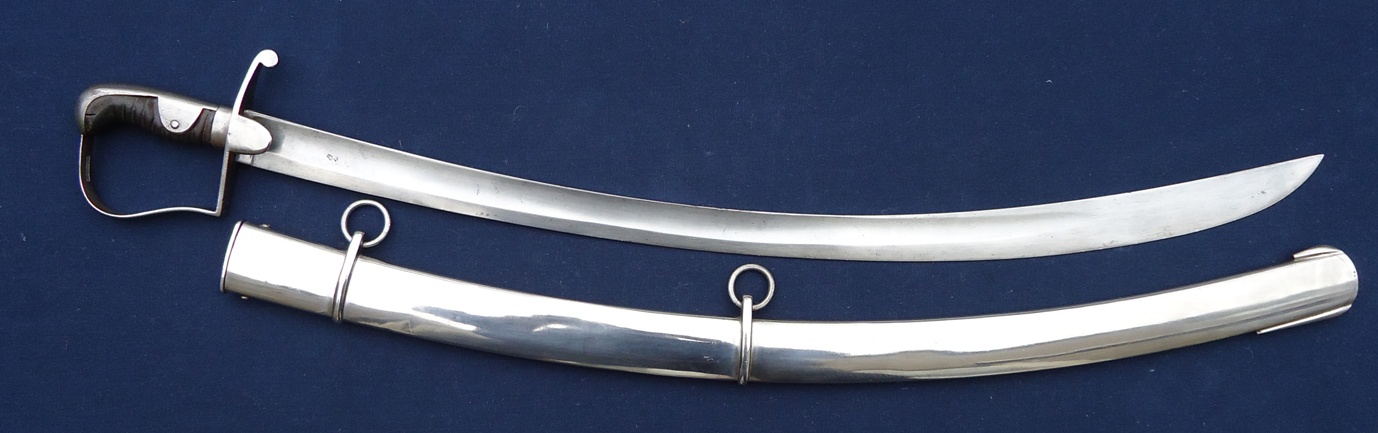
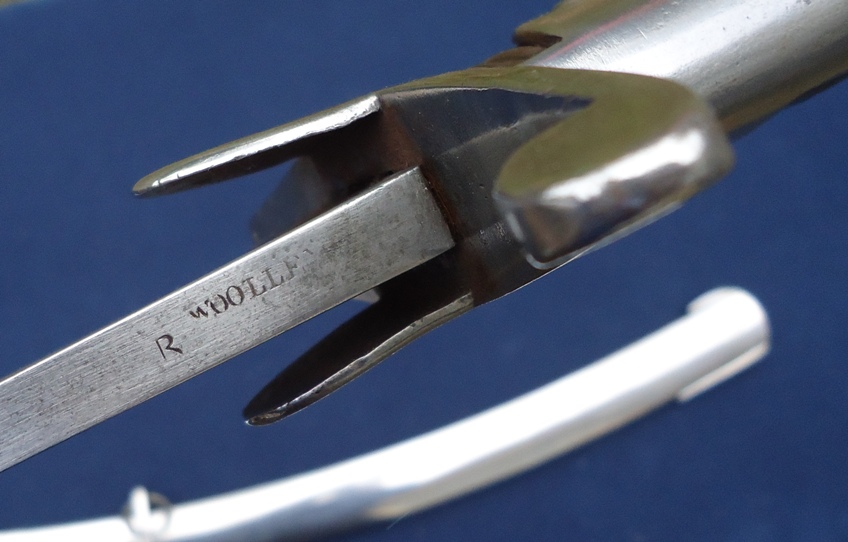
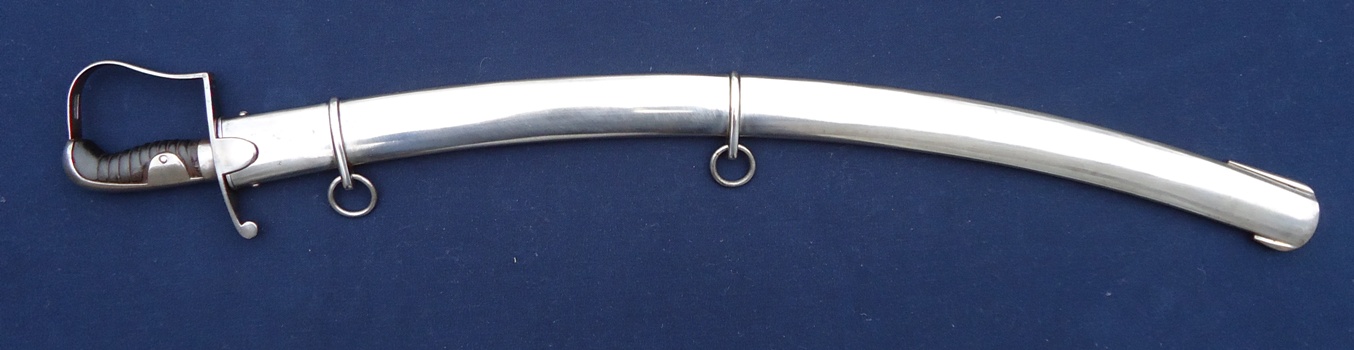
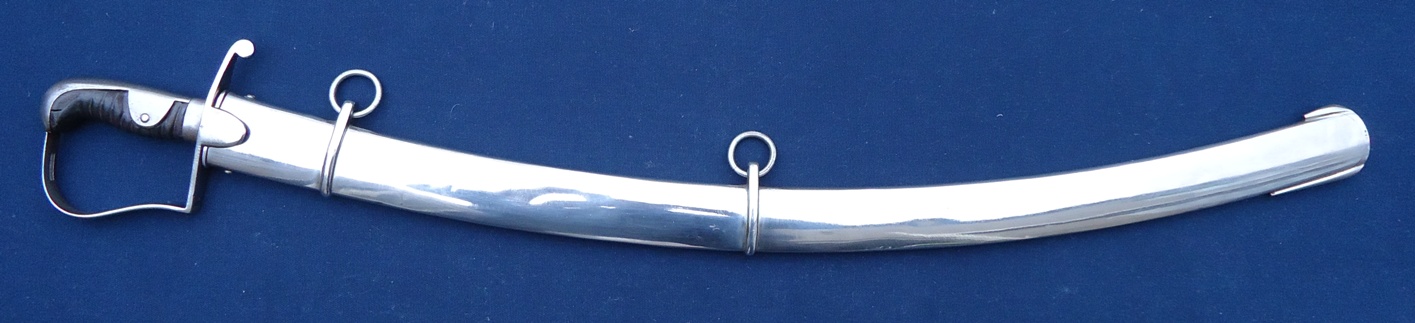
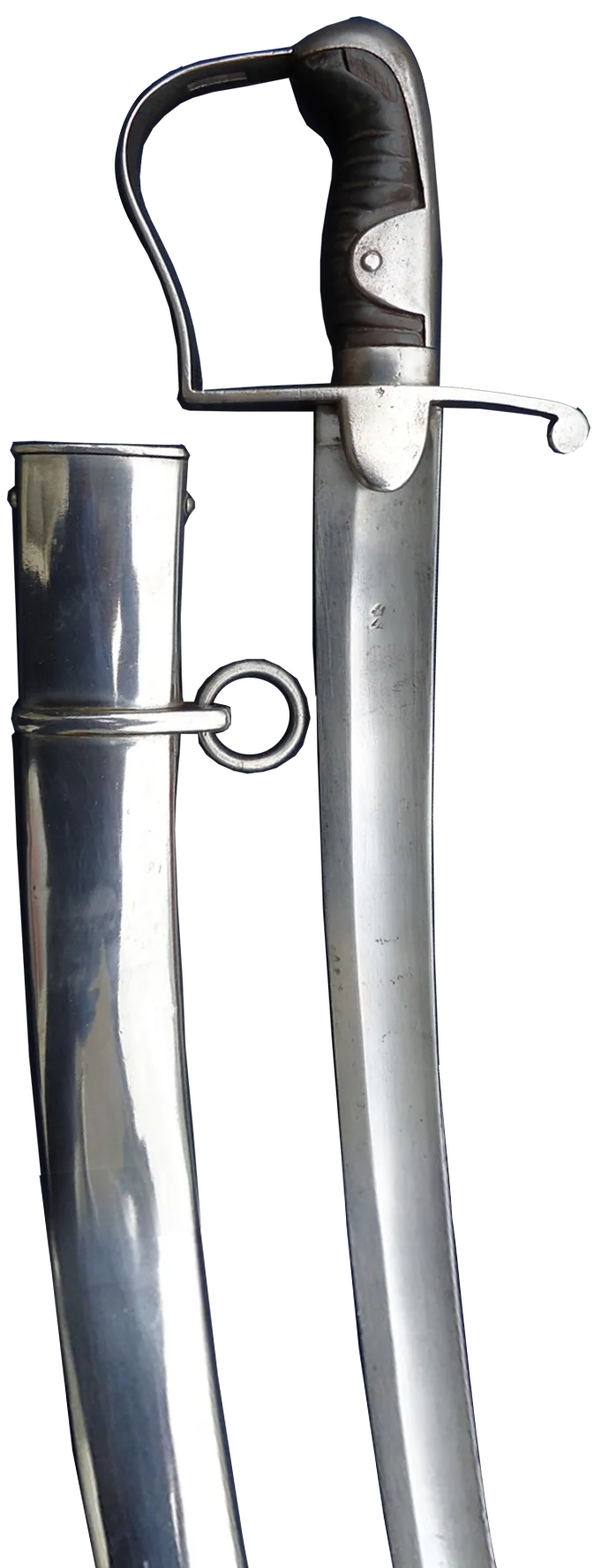
A Dutch Model 1813 No.1 light cavalry sabre, based directly on the British Pattern 1796 Light Cavalry Sabre and introduced into Dutch service during the reorganisation of the Dutch armed forces following the end of French rule.
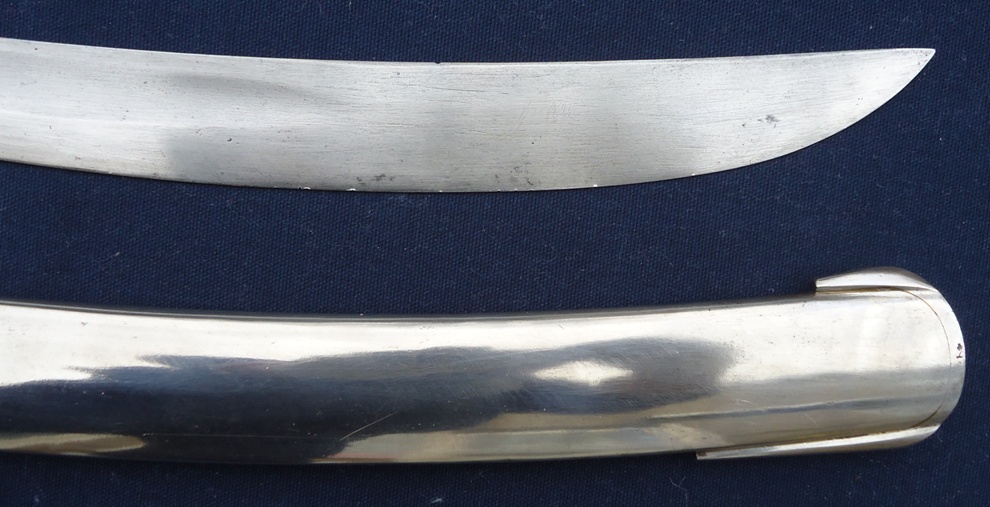
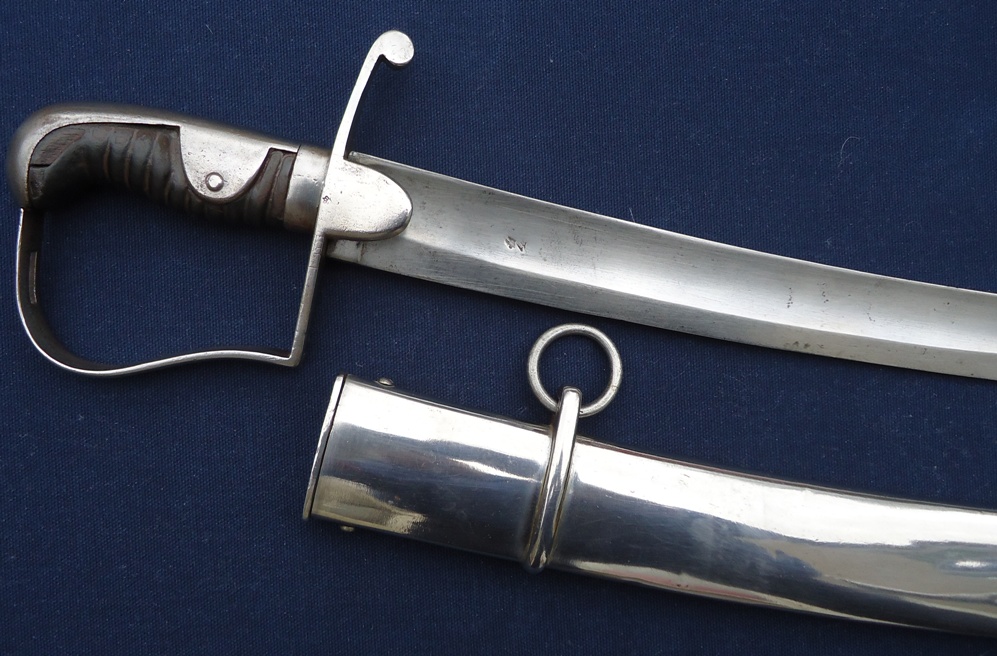
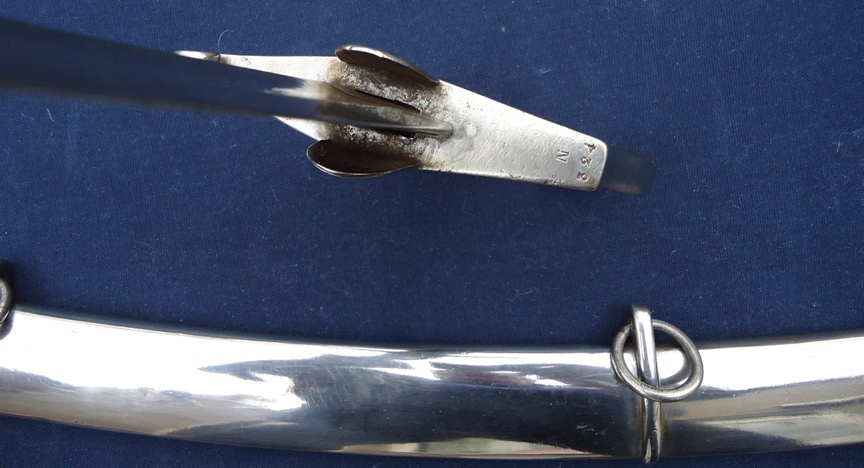
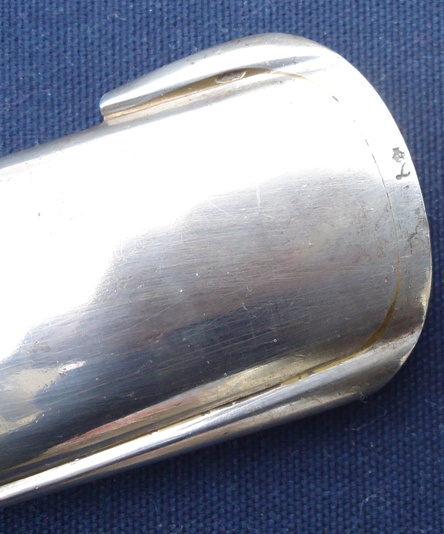
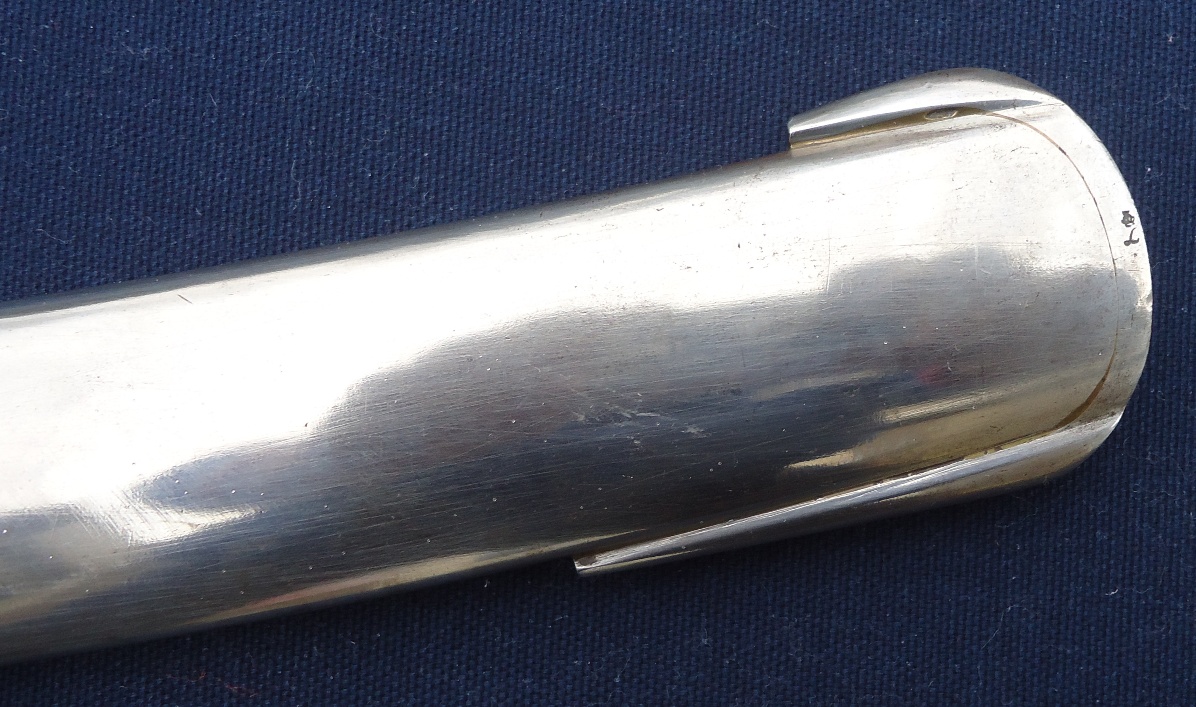
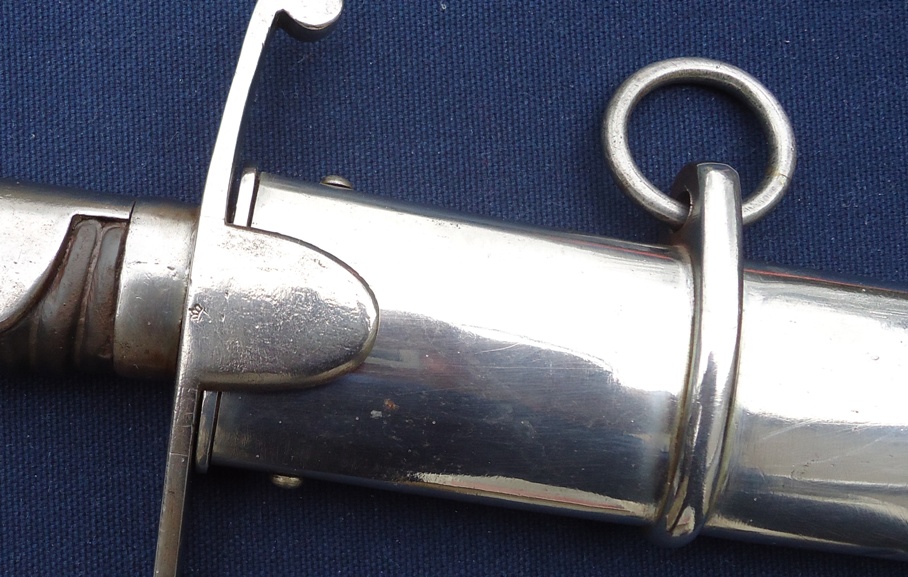
The sabre features the characteristic deeply curved, single-edged blade of the 1796 pattern, designed primarily for powerful cutting blows. The iron stirrup hilt incorporates a simple knuckle guard and a leather-covered grip over a wooden core. The accompanying steel scabbard is fitted with two suspension rings.
The Model 1813 No.1 was adopted for the newly established Dutch light cavalry and was initially supplied in significant numbers from Britain. British-made Pattern 1796 swords were already available in quantity and were consequently purchased and issued to Dutch cavalry from late 1813. Examples of the pattern are documented as having been used by Dutch light cavalry during the campaigns leading to the Battle of Waterloo in 1815.
The pattern remained in Dutch service well beyond the Napoleonic period, with surviving examples documented into the 19th century. The M1813 No.1 is therefore an important transitional weapon, combining the British Pattern 1796 design with the early equipment of the restored Dutch army.
A particularly characteristic example of the British-designed light cavalry sabre that became part of Dutch military equipment during the Napoleonic Wars and the Waterloo campaign.
Gallery
Dutch Cavalry Sabre - Model 1813 No.1