
Forgotten Silver: A Remarkable Edinburgh Discovery
Some of the most interesting discoveries in the world of antiques do not happen in museums or at major international auctions. Occasionally, they are found much closer to home.
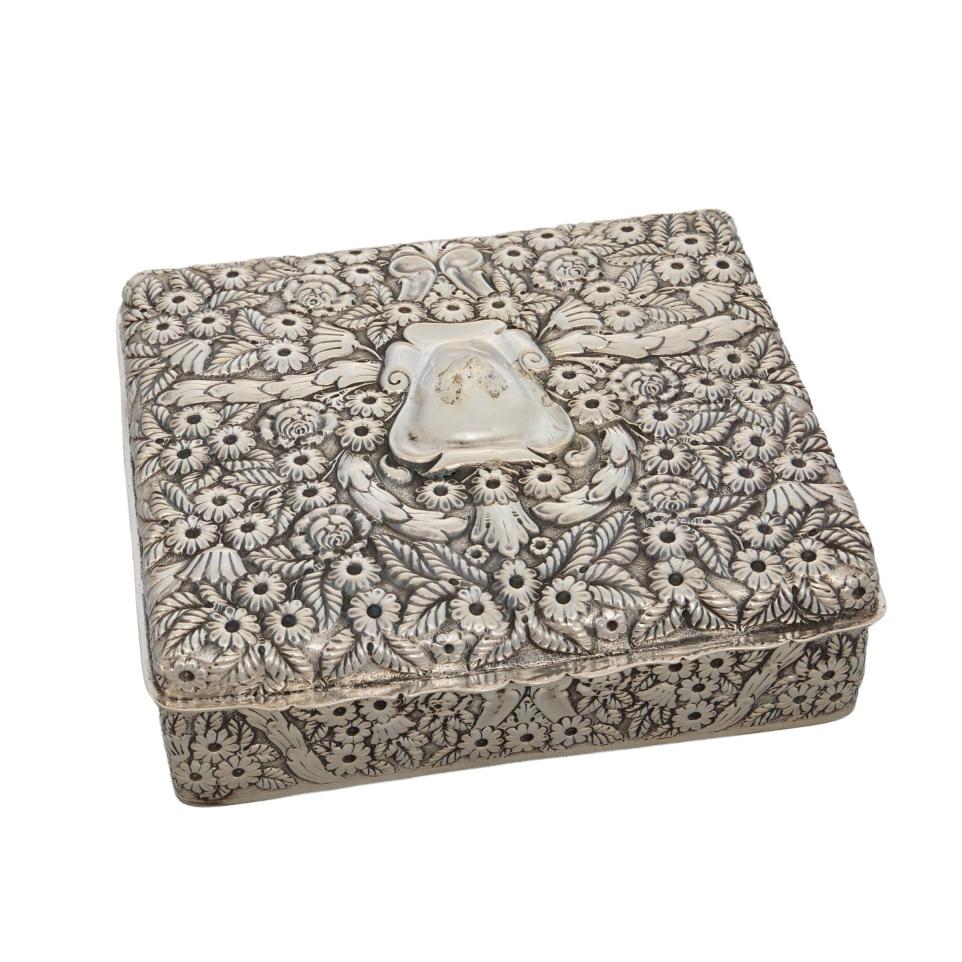
Earlier this year, a Scottish family preparing to sell their Edinburgh property discovered more than one hundred pieces of antique silver stored away in old wooden chests in the attic. The collection had been assembled over several generations and included British and Continental silver dating from the early 18th century through to the early 20th century.
Initially assessed at approximately £23,000, the collection ultimately achieved almost £60,000 at auction following strong competition between buyers.
The story is a particularly good illustration of what makes collecting historical objects so compelling. The value of an antique is rarely determined by age alone. Rarity, workmanship, condition, provenance and the circumstances surrounding an object can all dramatically affect its significance.
Silver is especially revealing in this respect. Marks struck into a piece can identify its maker, place of manufacture and date, while engraved initials, crests and inscriptions can provide clues to its former owners. An apparently ordinary object can therefore become a document of social and family history.
For collectors, discoveries such as this are also a reminder of the importance of looking beyond the obvious. Collections assembled over generations can contain objects whose significance has been forgotten by their owners but remains immediately apparent to a specialist.
At Red Lancer, this connection between the object and its history is central to the appreciation of antiques. Whether a sword, firearm, work of art or personal possession, an historical object becomes considerably more interesting when its physical characteristics can be connected to the people, places and events surrounding it.
Sometimes, the provenance is waiting in an attic. (Image: Elmwood/PA)