
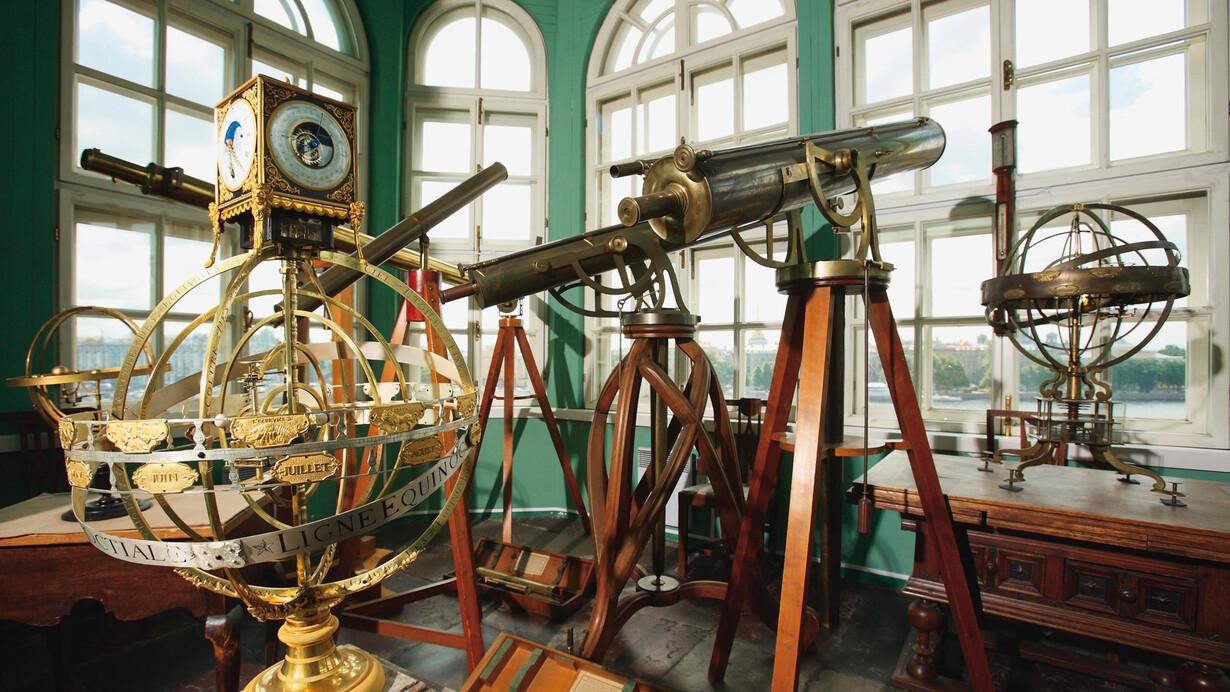
Revisiting the 18th Century: The Herschel House
What did scientific discovery look like in the 18th century?
A new exhibition at the Herschel Museum of Astronomy in Bath offers an unusual answer: sometimes, it looked remarkably domestic.
The As-Yet Unseen, which opened in September 2026, brings contemporary works by Irish artist Grace Weir into the historic house where William and Caroline Herschel lived and worked. The exhibition explores the extraordinary astronomical discoveries made there, including William Herschel’s discovery of Uranus.
The setting is perhaps as fascinating as the science itself. The Herschels conducted their work in an environment that was simultaneously a home, workshop and place of scientific investigation. Their observations and discussions could take place around the same dining table used for everyday domestic life.
The exhibition also places greater emphasis on Caroline Herschel’s contribution. Often remembered primarily as William’s assistant, Caroline was herself an accomplished astronomer. She discovered eight comets and became the first woman in England to receive a salary for astronomical work.
One of the exhibition’s works takes inspiration from William Herschel’s 1785 drawing of the Milky Way, reproducing it as embroidery on an antique linen tablecloth. The juxtaposition is deliberate: an object associated with ordinary domestic life becomes a vehicle for one of the great scientific questions of the age.
It is a useful reminder of why historical objects deserve close attention.
An antique object does not exist in isolation. A table, telescope, sword, manuscript or piece of furniture can reveal something about the people who made and used it, the technology available to them and the world in which they lived.
The 18th century can sometimes seem distant and abstract. Objects have a way of bringing it back into the room.